Pinal protein design: from a text description to lab-tested candidates

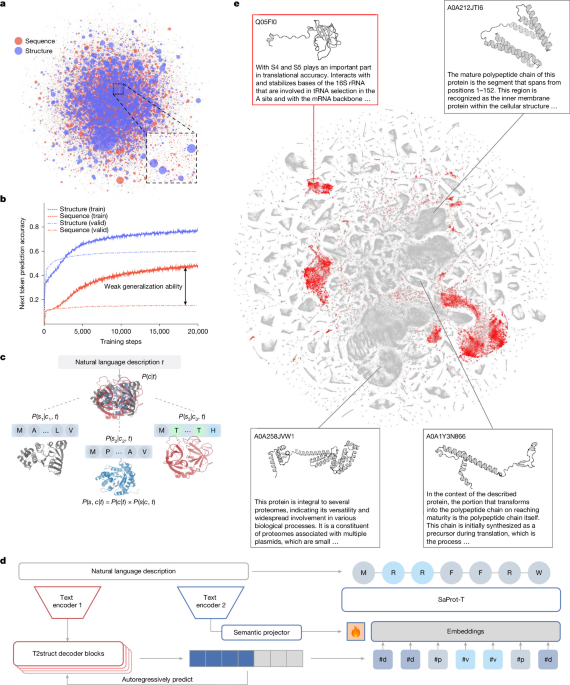
Describe a protein’s job, then generate candidate amino-acid sequences to test. Pinal connects a natural-language request to a proposed structure and sequence, giving biologists another starting point for design.
An October 21 Nature paper on the already-public model reports working examples in four tasks, including fluorescence and plastic-degrading enzyme activity. These followed computational filtering and laboratory screening. A plausible-looking sequence is only the beginning.
The published review history is useful reading: reviewers challenged the role of expert filtering, and the authors added experiments and narrowed their claims.